


Baptism
Topics

- Online Catholic Baptism Preparation for Parents and Godparents
- Catholic Godparent Requirements: Who Can Be a Godparent?
- Infant Baptism Checklist – What You Need to Prepare for Your Child’s Baptism
- Baptism Symbols Explained – Meaning of Water, Oil, Candle, and White Garment
- Online Catholic Baptism Class – Prepare for Infant Baptism from Home
- Choosing Catholic Godparents: A Guide for Baptism and Confirmation
- Baptism Preparation Timeline: A Step-by-Step Guide for Families
- Emergency Baptism Questions: Catholic Answers for Parents and Families
- Catholic Baptism Certificate Requirements: What You Need & How to Request One
- What Happens During Catholic Baptism? A Step-by-Step Guide for Families
- Online Baptism Prep for Parishes – Flexible Catholic Formation for Parents and Godparents
- Baptism Prep Certificate – What It Is and When Your Parish May Require It
Choosing Catholic Godparents: A Guide for Baptism and Confirmation
Choosing Catholic godparents is one of the most important decisions a family makes when preparing for Baptism or Confirmation. A godparent is not simply a guest of honor or a sentimental choice; the role is spiritual, lasting, and tied directly to the life of faith. The person you choose should be someone who can help your child grow in the Church and model what it means to live as a Catholic.
Many parents begin with family traditions or personal relationships, but the Church also gives clear guidance about who can serve as a godparent. This guide explains the requirements, the spiritual purpose of the role, and practical steps to help you make a wise and faithful choice.
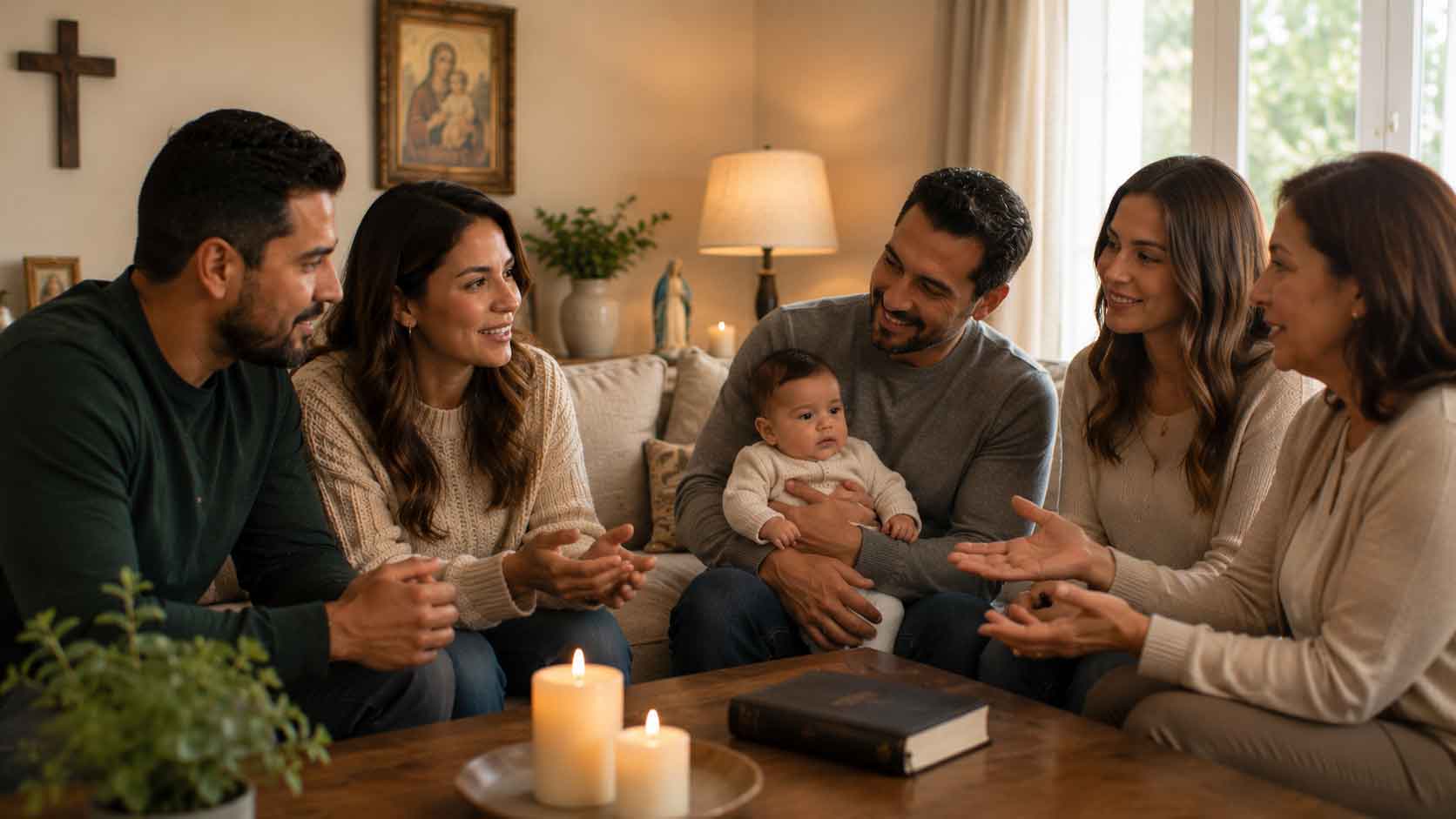
What a Godparent Is For
In the Catholic Church, a godparent helps support the faith life of the person being baptized or confirmed. For Baptism, the godparent stands with the parents and promises to help the child live as a disciple of Christ. For Confirmation, the sponsor encourages the candidate to remain strong in faith and to live out the gifts of the Holy Spirit.
The role is meant to be spiritual, not ceremonial. A godparent should be ready to pray for the child, encourage the parents, and remain a meaningful presence in the child’s faith journey over time. This is why the Church asks that godparents be practicing Catholics who are able to understand and live the responsibilities of the role.
Church Requirements
Before you choose a godparent, it helps to understand the basic Catholic requirements. While parish details can vary slightly, the usual norms include the following:
- The godparent must be at least 16 years old, unless the bishop or pastor grants an exception.
- The godparent must be a baptized Catholic who has received Confirmation and First Holy Communion.
- The godparent must be a practicing Catholic and live in a way that is consistent with the faith.
- The godparent cannot be the child’s mother or father.
- The godparent must not be under a Church penalty that would prevent them from serving.
Many parishes also require a letter of eligibility from the godparent’s home parish. This letter confirms that the person is a Catholic in good standing and is eligible to serve as a sponsor. If the godparent is married, some parishes will also want to know whether the marriage is recognized by the Church.

How Many Godparents to Choose
A child only needs one godparent, though many families choose two. If two are selected, they are usually one male and one female. This mirrors the traditional structure used in most parishes and helps give the child both a male and female example of faith.
If you have one excellent Catholic candidate, that is enough. Do not feel pressured to choose two just because it is customary. The Church values quality of witness over quantity, and a single faithful sponsor can be a powerful spiritual influence.
Some parishes also permit a baptized non-Catholic Christian to serve as a Christian witness alongside one Catholic godparent. A Christian witness is not a second godparent; the Catholic sponsor remains the official godparent for the sacrament.
What Makes a Good Godparent
A good godparent is someone who can truly support the child in faith. The best candidates are not necessarily the most outgoing or the most obvious choice in the family. Instead, look for someone who lives the Catholic faith with sincerity and stability.
- A practicing Catholic who attends Mass regularly.
- A person who prays and is comfortable talking about faith.
- Someone who can be present in the child’s life over time.
- A person who understands that the role is spiritual and not just honorary.
- Someone whose example would be a blessing to your child.
Families often find that the best godparents are people who already show concern for the child’s spiritual life. They may send a card on the child’s baptism anniversary, pray for them by name, or encourage the family in moments of joy and difficulty. Those small actions matter over the years.
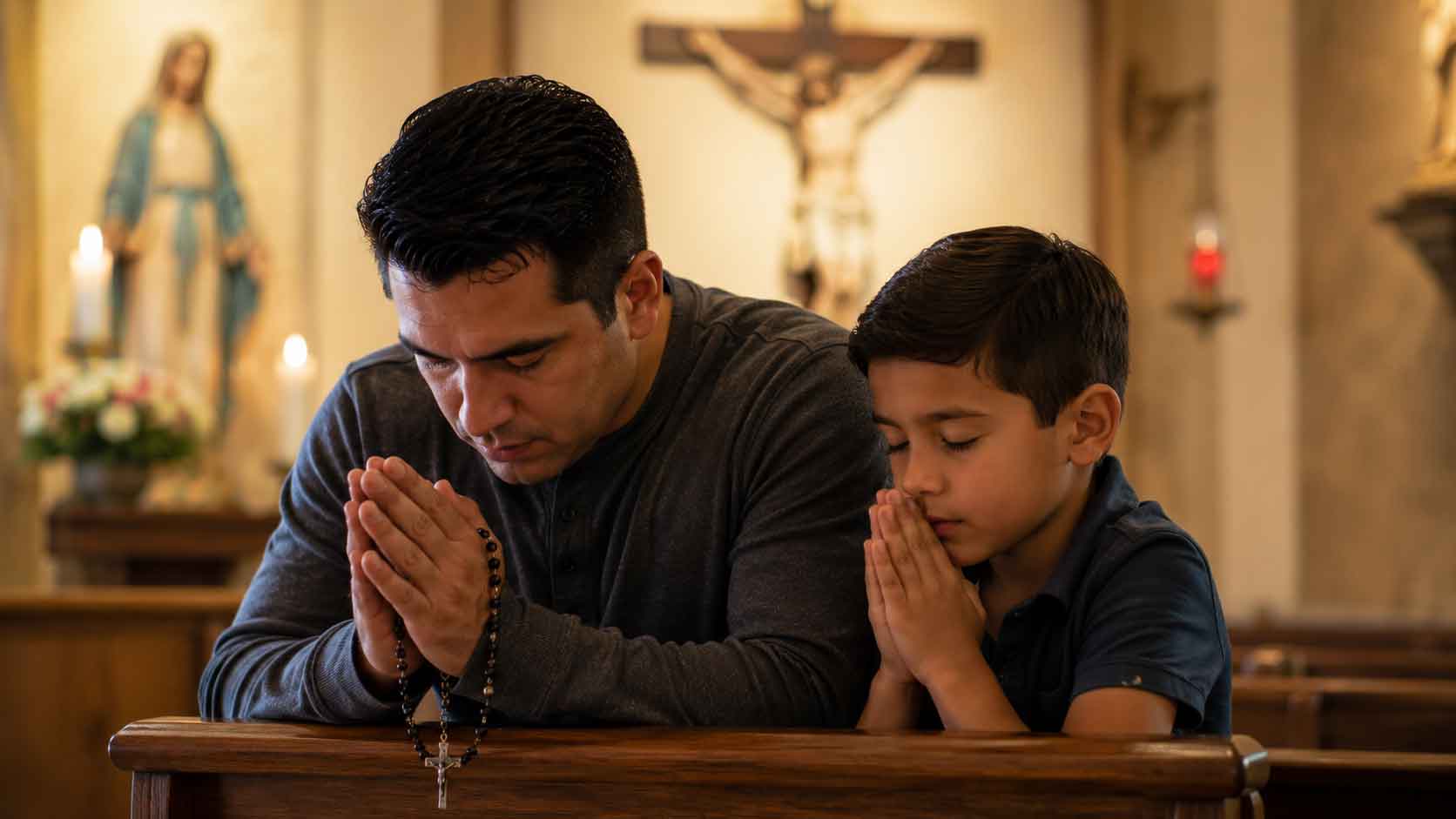
Common Mistakes To Avoid
It is easy to choose a godparent for the wrong reasons. Many families feel pressure to pick a sibling, a close friend, or someone who might be offended if they are not chosen. But the sacrament should come first.
Some common mistakes include choosing someone who does not practice the faith, choosing a person who has not completed their sacraments of initiation, or choosing someone just because they are “nice” or close to the family. Friendship matters, but it should not replace faith and eligibility.
Another common mistake is waiting too long. Many people are happy to serve as godparents, but they may need time to request documents from their parish or to finish their own baptism preparation. Ask early so your chosen sponsor has time to respond and prepare.
How To Ask Someone
When you ask someone to be a godparent, be direct and thoughtful. You might say something like, “We would be honored if you would be our child’s godparent. This role means a lot to us spiritually, and we would love for you to help guide our child in the Catholic faith.”
It is helpful to explain the practical side as well, including whether your parish requires a letter of eligibility or a baptism preparation class. That way, the person can make an informed and prayerful decision rather than feeling surprised later.
If someone cannot serve, that does not mean they cannot remain important in your child’s life. They can still be a treasured family friend, a prayer partner, or a special person who celebrates the child’s milestones.
Godparents and Family Relationships
Family members can absolutely be godparents if they meet the Church’s requirements. Grandparents, aunts, uncles, cousins, and older siblings may all be good choices when they are faithful Catholics and able to take the role seriously. In many families, choosing a relative can strengthen the bond between generations and help the child see the faith lived out at home.
Still, family ties alone are not enough. A relative who does not practice the faith or who is not eligible under Church guidelines should not be chosen just to keep peace in the family. In the long run, a child benefits more from a godparent who can truly support their Catholic life.
If you are struggling between a family member and a close friend, consider who will be more likely to stay spiritually engaged over the years. The best choice is often the person who is both loving and faithful.
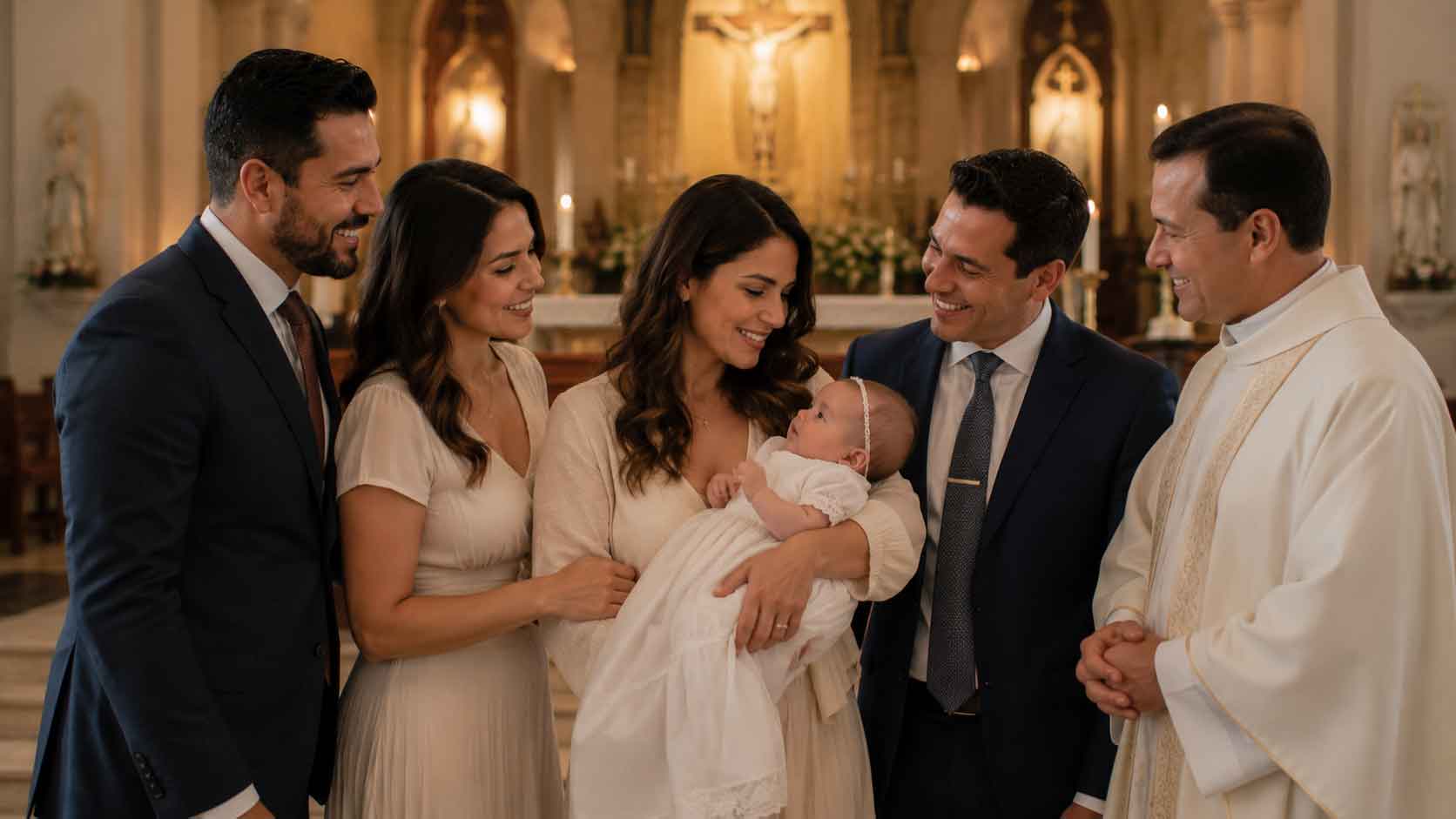
Questions to Ask Yourself
Before you finalize your choice, ask a few honest questions:
- Does this person practice the Catholic faith consistently?
- Would I trust them to help guide my child spiritually?
- Can they fulfill the parish requirements without difficulty?
- Will they likely stay in contact with my child as they grow?
- Do they understand the real meaning of being a godparent?
These questions help move the decision away from convenience or obligation and toward intentional faith formation. Choosing godparents is an opportunity to surround your child with people who will support their journey with prayer, encouragement, and example.
A Faithful Choice for the Future
Choosing Catholic godparents is really about choosing witnesses of faith for your child. The godparent may stand at the Baptism or Confirmation for only a short time, but their spiritual role can last much longer if they are willing to stay involved. A thoughtful choice can become a deep blessing for your child and for your family.
If you are preparing for a Baptism or Confirmation, talk with your parish early, review the requirements, and choose someone who reflects the faith you hope to pass on. A good godparent does not simply attend the ceremony; they help carry the child forward in the life of the Church.