


Baptism
Topics

- Online Catholic Baptism Preparation for Parents and Godparents
- Catholic Godparent Requirements: Who Can Be a Godparent?
- Infant Baptism Checklist – What You Need to Prepare for Your Child’s Baptism
- Baptism Symbols Explained – Meaning of Water, Oil, Candle, and White Garment
- Online Catholic Baptism Class – Prepare for Infant Baptism from Home
- Choosing Catholic Godparents: A Guide for Baptism and Confirmation
- Baptism Preparation Timeline: A Step-by-Step Guide for Families
- Emergency Baptism Questions: Catholic Answers for Parents and Families
- Catholic Baptism Certificate Requirements: What You Need & How to Request One
- What Happens During Catholic Baptism? A Step-by-Step Guide for Families
- Online Baptism Prep for Parishes – Flexible Catholic Formation for Parents and Godparents
- Baptism Prep Certificate – What It Is and When Your Parish May Require It
Online Catholic Baptism Class – Prepare for Infant Baptism from Home
Many Catholic families now choose an online Catholic baptism class to complete their preparation for their child’s Baptism. An online course allows parents and godparents to study at home, on their own schedule, while still meeting the church’s requirements for Baptism preparation.
These classes are designed to help families understand the meaning of Baptism, their responsibilities as parents, and what it means to serve as a godparent. Whether you are in a busy city, living far from a parish, or simply need more flexibility, an online class can be a practical and faithful way to prepare for one of the Church’s most important sacraments.
What an Online Baptism Class Teaches
A typical online Catholic baptism class covers the core questions that parents and godparents often wonder about:
- What exactly is Baptism, and why is it important in the Catholic Church?
- What promises do parents make when presenting a child for Baptism?
- What are the responsibilities of godparents and sponsors?
- What practical steps and documents are needed before the ceremony?
The lessons are usually divided into short modules or lessons that can be completed in about 1–2 hours. Many programs include videos, slides, and simple reflection questions so families can pause, discuss, and absorb the material together.
Because the class is online, it can be completed weeks or even months before the scheduled Baptism, giving families time to ask their parish for any additional guidance or clarification after finishing the course.
Benefits of an Online Catholic Baptism Class
An online baptism class offers several advantages:
- Flexibility in time: Families can log in in the evening, on weekends, or during naptime without needing to travel to a parish hall.
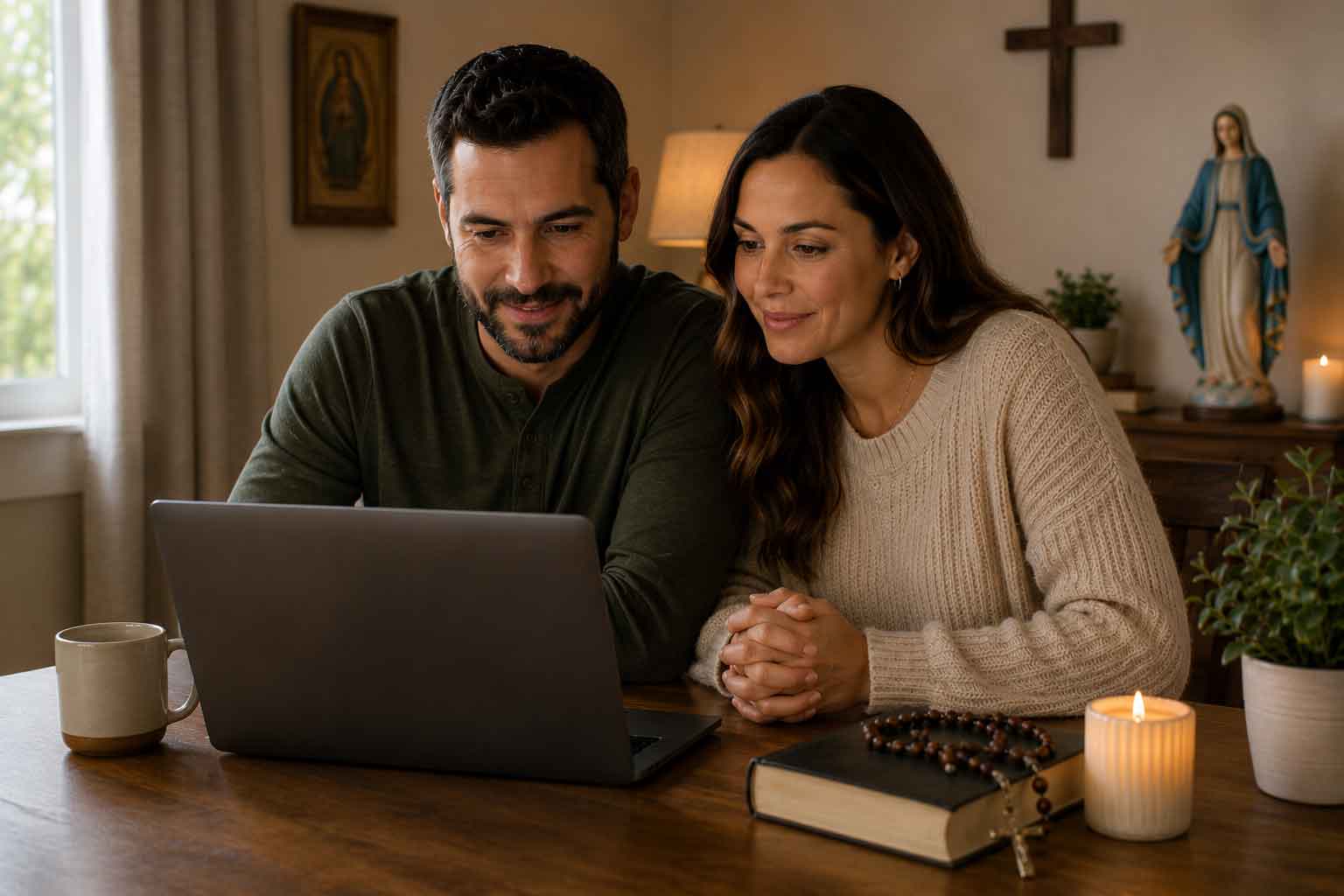
- Space for both parents and godparents: Both parents and godparents can complete the class together or on separate devices, even if they live in different locations.
- Consistent, faithful content: Most programs are written by priests or catechists and follow Catholic teaching, so families can trust that they are learning what the Church actually teaches.
- Certification for the parish: At the end of the course, the program often provides a certificate of completion that can be printed or emailed and given to the parish priest or parish office.
This structure is especially helpful for working parents, military families, or those who live far from their parish. It also makes it easier for godparents who do not live in the same diocese to fulfill their preparation requirements.
Who Should Take an Online Baptism Prep Course?
An online Catholic baptism class is usually intended for:
- Parents preparing for the Baptism of their infant or young child.
- Godparents or sponsors who are asked by their parish to complete baptism preparation.
- Adults who want to refresh their understanding of Baptism, especially if they will be helping children in catechesis or family formation.
Many parishes require that at least one parent attend a baptism preparation session, and some also ask that godparents participate. An online class can be accepted as a substitute for an in‑person class if the parish allows it and if the program provides proper documentation of completion.
Before you choose a course, it is helpful to call your parish and ask:
- Does the parish accept an online baptism class instead of an in‑person session?
- Is there a preferred provider or diocesan‑approved program?
- How far in advance should the class be completed, and what format of certificate do they need?
How to Find a Trustworthy Online Course
Not every “online baptism class” follows the same level of Catholic teaching. When you search for an online Catholic baptism class, you can narrow your choices by asking a few simple questions:
- Is the course written by a priest, deacon, or experienced catechist in full communion with the Church?
- Does the course clearly explain the Church’s teaching on Baptism, the role of parents, and the role of godparents?
- Does the program issue a certificate that can be submitted to a parish?
- Can the course be accessed on multiple devices and at any time of day?
Many dioceses and popular Catholic formation providers already offer online baptism classes that are used by thousands of families each year. These programs are often updated to match current parish norms and sacramental practice.
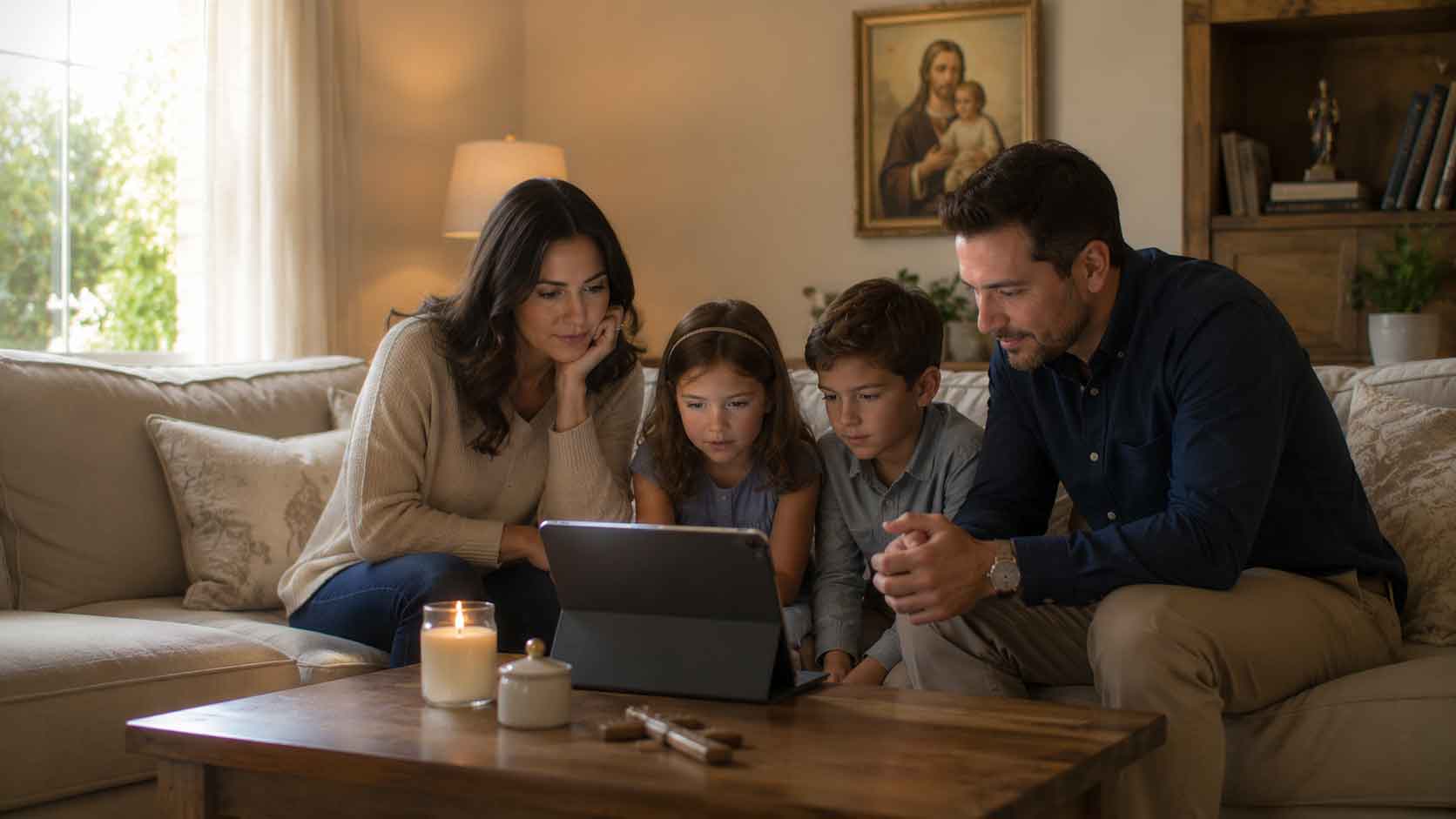
Once you find a course that fits your parish’s expectations, you can register and begin at your own pace. Many families enjoy watching the video lessons together, stopping to discuss questions or to pray for the child after each section.
What to Expect Inside the Course
A typical online Catholic baptism class includes several short units, such as:
- Introduction to Baptism: The meaning of the sacrament, the symbolism of water, and the importance of receiving Baptism within the Church.
- The Role of Parents: What parents promise at the Baptism, why raising a child in the Catholic faith matters, and how to create a prayerful home.
- The Role of Godparents: Requirements for sponsors, what a godparent should do spiritually, and how to support the child over time.
- Practical Steps for the Parish: Documents needed, scheduling the Baptism, and what to expect on the day of the ceremony.
- Reflection and Prayer: Simple prayers, Bible passages, and questions that help families connect the theology of Baptism to daily life.
Some courses also include a short reflection guide or worksheet that must be completed along with the video lessons. This small extra step helps ensure that families are not just clicking through, but truly reflecting on what they are learning.
Using This Class in Your Parish or Website
If you are creating a parish, diocesan, or Catholic education website, an online Catholic baptism class can be a powerful tool. You can:
- Link to a recommended online course directly from your baptism preparation page.
- Embed a short video introduction or testimony from parents who have taken the class.
- Add a simple FAQ section explaining how families can submit certificates and how long the class usually takes.
- Connect this page to your other resources, such as a Godparent Requirements article, an Infant Baptism Checklist, or a Baptism Symbols Explained page.
When families know that a clear, convenient, and faithful online option is available, they are more likely to complete their preparation early and approach the Baptism with confidence and reverence.
Next Steps for Your Family
If you are considering an online Catholic baptism class, the next steps are simple:
- Speak with your parish to confirm whether they accept an online class and what format they prefer.
- Choose a reputable, clearly Catholic program that offers a certificate of completion.
- Register for the course and plan a time when both parents can participate.
- Complete the class, save or print the certificate, and submit it to the parish office as required.
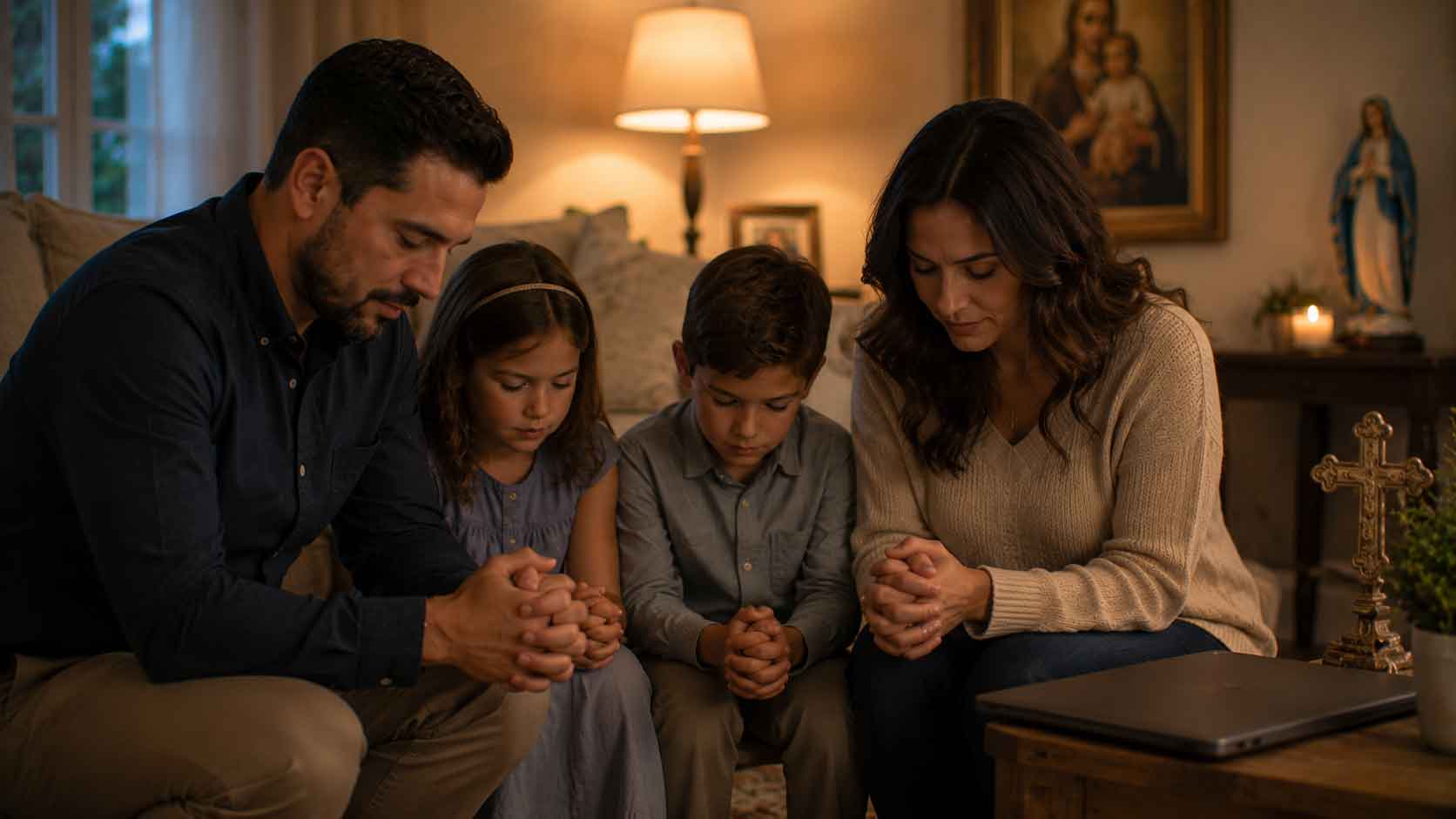
Whether you take the class in one sitting or over several days, the goal is the same: to prepare your heart, your family, and your home for the grace of Baptism. When you finish the online Catholic baptism class, you will not only meet a parish requirement, but you will also be more ready to live out the sacrament in the months and years to come.