


Baptism
Topics

- Online Catholic Baptism Preparation for Parents and Godparents
- Catholic Godparent Requirements: Who Can Be a Godparent?
- Infant Baptism Checklist – What You Need to Prepare for Your Child’s Baptism
- Baptism Symbols Explained – Meaning of Water, Oil, Candle, and White Garment
- Online Catholic Baptism Class – Prepare for Infant Baptism from Home
- Choosing Catholic Godparents: A Guide for Baptism and Confirmation
- Baptism Preparation Timeline: A Step-by-Step Guide for Families
- Emergency Baptism Questions: Catholic Answers for Parents and Families
- Catholic Baptism Certificate Requirements: What You Need & How to Request One
- What Happens During Catholic Baptism? A Step-by-Step Guide for Families
- Online Baptism Prep for Parishes – Flexible Catholic Formation for Parents and Godparents
- Baptism Prep Certificate – What It Is and When Your Parish May Require It
Baptism Preparation Timeline: A Step-by-Step Guide for Families
Preparing for a child’s Baptism is a joyful process, but it can feel overwhelming if you are not sure when to begin or what should happen first. A clear baptism preparation timeline helps parents stay organized, complete parish requirements on time, and focus on the spiritual meaning of the sacrament instead of the stress of last-minute tasks.
Every parish has its own schedule and procedures, but most families follow the same general pattern: contact the parish, choose godparents, gather documents, complete baptism preparation, and then celebrate the sacrament. This page walks you through those steps in a simple timeline so you know what to do from the first inquiry through the day of Baptism.
One to Three Months Before Baptism
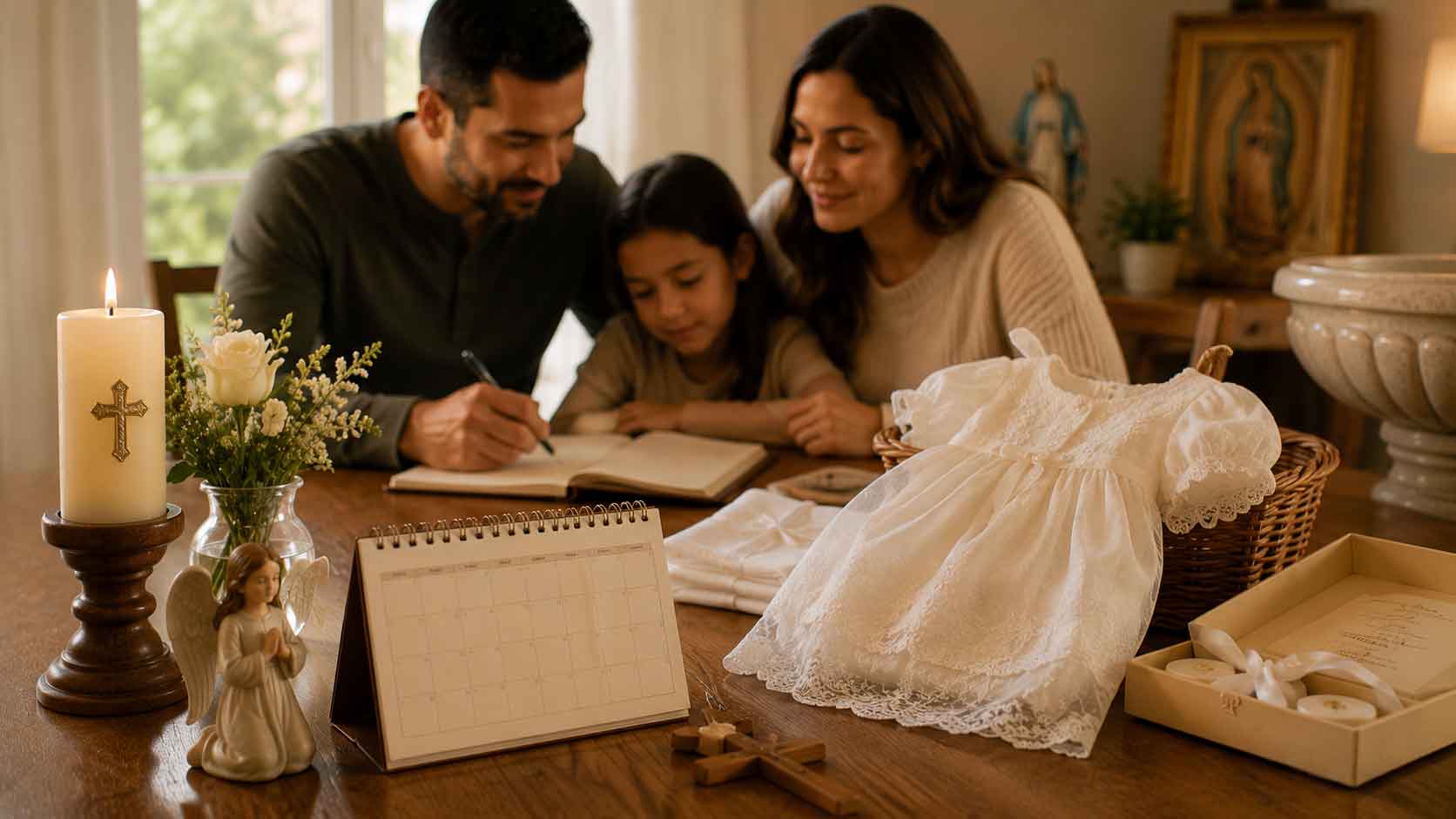
The best time to begin is as early as possible, ideally one to three months before the Baptism. During this stage, your first task is to contact the parish where you want the sacrament to take place. Ask about available dates, whether the parish uses a set baptism schedule, and what documents or classes are required before a date can be confirmed.
This is also the time to think carefully about godparents. Choosing godparents early gives them enough time to request letters of eligibility from their parish, complete any required preparation, and submit paperwork by the deadline. If the parish asks for a baptism preparation class certificate, it is easier to take care of it now rather than rush later.
If your child is older than an infant or if your family is new to the parish, it can be especially helpful to begin even earlier. Some parishes want parents to meet with a priest, deacon, or sacramental coordinator before the Baptism can be scheduled, particularly if there are special family situations or questions about parish registration.
Four to Six Weeks Before Baptism
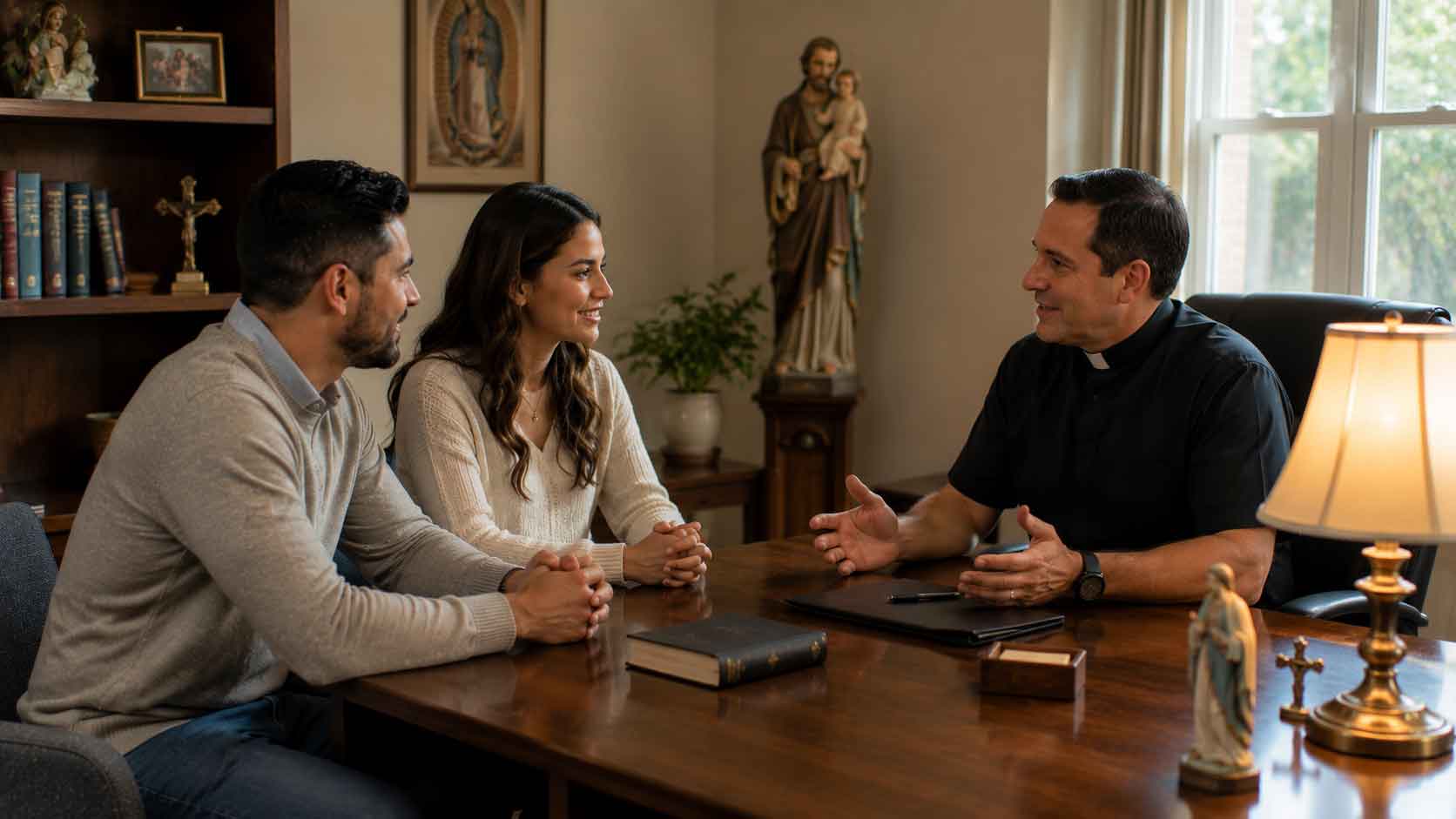
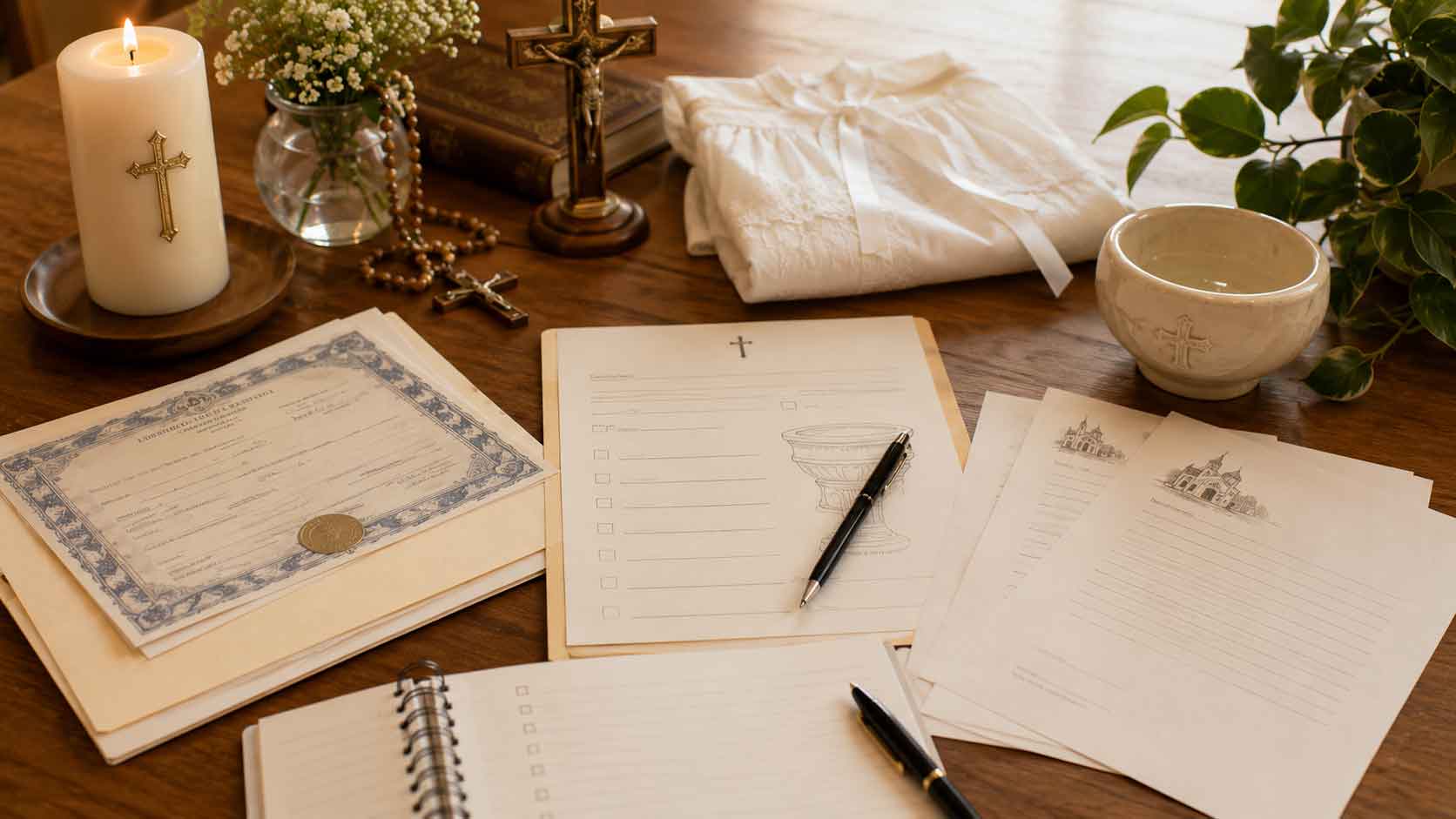
Once you have an initial date or have begun the process with the parish, the next step is to gather the required documents. Most parishes ask for a registration form, the child’s birth certificate, proof of parent preparation, and documentation for godparents. Some parishes may also request a letter of permission if the Baptism will be celebrated outside your home parish.
Around this time, many families also complete the baptism preparation class. This class may be offered in person, online, or in a hybrid format depending on the parish. It usually explains the meaning of Baptism, the role of parents, the role of godparents, and what to expect on the day of the rite.
If the godparents live in another city or state, this is a good moment to send them the required forms. Giving them several weeks to respond helps avoid delays and makes it easier for everyone to prepare prayerfully rather than hurriedly.
Two to Four Weeks Before Baptism
With most of the paperwork complete, this stage is about confirmation and follow-up. Check that all forms have been submitted and that the parish has received the godparent letters, class certificates, and any other required documents. If anything is missing, now is the time to correct it.
You should also confirm the Baptism date and time with the parish office. Ask whether there are any special instructions for arrival time, parking, photography, candle lighting, or seating. Some parishes baptize several families during the same ceremony, while others schedule one family at a time, so it helps to know exactly what to expect.
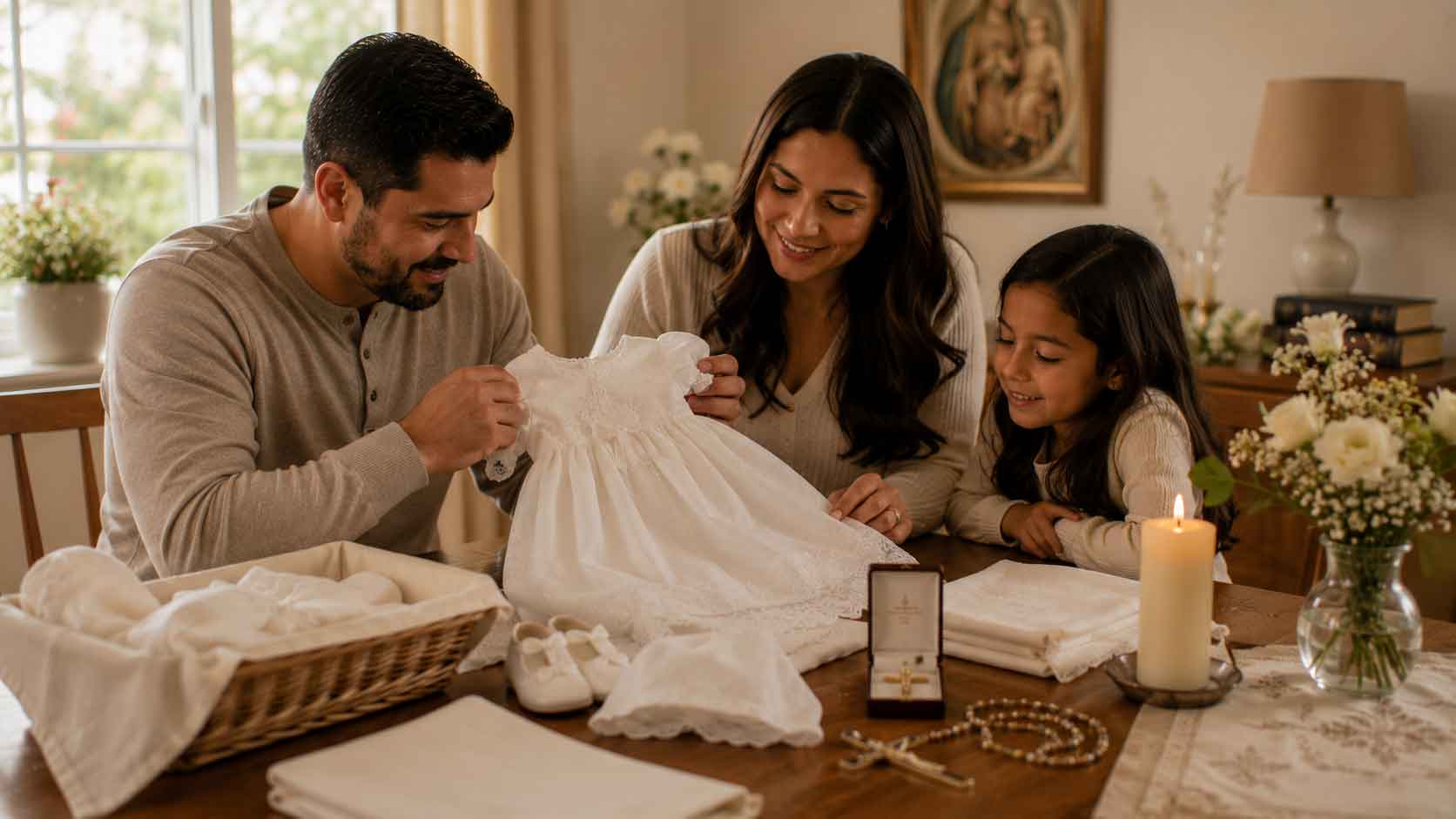
This is also a good time to prepare your child’s Baptismal garment, candle, towel, and any other items you plan to bring. If your parish provides these items, ask whether you need to buy anything or simply arrive with the baby dressed in white.
One Week Before Baptism
The week before the sacrament, focus on final details. Review your parish instructions one more time so you know when to arrive and who should be present. Make sure the godparents are aware of the schedule and know whether they need to meet the priest, check in at the parish office, or arrive a little early for a walk-through.
It is also helpful to plan the practical side of the day. Decide who will dress the baby, who will hold the candle, who will take photographs if allowed, and where guests should sit. If family members are traveling, confirm directions and parking details in advance so there is less stress on the day itself.
Spiritually, this is a beautiful time to pray for your child’s Baptism. Parents may want to read a Scripture passage, pray the Rosary, or simply thank God for the gift of the child and the grace of the sacrament. A few quiet moments of prayer can make the day feel more grounded and meaningful.
The Day Before Baptism
The day before the Baptism, gather everything you need in one place. Lay out the baby’s outfit, pack the Baptismal candle if you are bringing one, and put the paperwork in a folder or envelope so nothing gets lost. If the parish asked for original documents, double-check that they are ready to bring with you.
Try to keep the schedule calm. If possible, plan for a normal nap, feeding, and bedtime routine so the child is rested for the ceremony. A peaceful day before the sacrament often leads to a more peaceful ceremony for everyone involved.
You may also want to prepare a small after-Baptism plan for family and guests. Whether that means a meal at home, dessert with relatives, or a simple photo moment outside the church, having a plan helps the celebration flow naturally after the sacrament.
Baptism Day
On the day of the Baptism, arrive a little early so you are not rushed. Bring all documents, the child’s outfit, and any required items the parish asked for. If the priest or deacon wants to review the rite with you before the ceremony, arriving early gives everyone time to settle in.
During the celebration, the Church will use water, oil, candlelight, and the baptismal promises to express the grace of the sacrament. Parents and godparents are invited to participate actively, because their presence and promises are part of the Church’s care for the child.
After the ceremony, ask whether you need to pick up a baptismal certificate or whether it will be mailed later. That certificate is important for future sacraments, so it should be kept in a safe place along with the child’s other church records.
After the Baptism
The Baptism itself is the beginning, not the end, of your child’s life in the Church. After the sacrament, it is a good idea to keep the baptismal candle, white garment, and certificate together in a safe memory box. These items can be brought out again for anniversaries, prayer, and later sacramental milestones.
You may also want to thank the godparents and invite them to remain active in your child’s spiritual life. A thoughtful note, prayer card, or yearly baptism anniversary message can help keep the connection strong and meaningful over time.
As your child grows, the Baptismal timeline continues in a new way through Mass attendance, religious education, First Communion, and Confirmation preparation. The habits you build now can make the child’s ongoing faith life easier and more natural.
Suggested Timeline Summary
If you prefer a simple overview, here is a practical timeline you can follow:
- 1–3 months before: Contact the parish, ask about requirements, and begin choosing godparents.
- 4–6 weeks before: Gather documents and complete baptism preparation classes.
- 2–4 weeks before: Submit paperwork, confirm the date, and prepare ceremony items.
- 1 week before: Recheck instructions, plan travel, and pray with your family.
- The day before: Pack everything and keep the schedule calm.
- Baptism day: Arrive early, celebrate the sacrament, and receive the baptismal certificate.