


Baptism
Topics

- Online Catholic Baptism Preparation for Parents and Godparents
- Catholic Godparent Requirements: Who Can Be a Godparent?
- Infant Baptism Checklist – What You Need to Prepare for Your Child’s Baptism
- Baptism Symbols Explained – Meaning of Water, Oil, Candle, and White Garment
- Online Catholic Baptism Class – Prepare for Infant Baptism from Home
- Choosing Catholic Godparents: A Guide for Baptism and Confirmation
- Baptism Preparation Timeline: A Step-by-Step Guide for Families
- Emergency Baptism Questions: Catholic Answers for Parents and Families
- Catholic Baptism Certificate Requirements: What You Need & How to Request One
- What Happens During Catholic Baptism? A Step-by-Step Guide for Families
- Online Baptism Prep for Parishes – Flexible Catholic Formation for Parents and Godparents
- Baptism Prep Certificate – What It Is and When Your Parish May Require It
Infant Baptism Checklist – What You Need to Prepare for Your Child’s Baptism
Scheduling your child’s Baptism can feel overwhelming, especially when you are also adjusting to life with a newborn. An infant baptism checklist helps you stay organized, meet your parish’s requirements, and focus on the spiritual meaning of the sacrament instead of last‑minute tasks.
Most Catholic parishes ask parents to provide several key documents, complete a baptism preparation class, and confirm godparent eligibility before a Baptism date is set. This page breaks that process into a clear checklist you can follow step by step, so you know what to gather, who to contact, and when you need to have it ready.
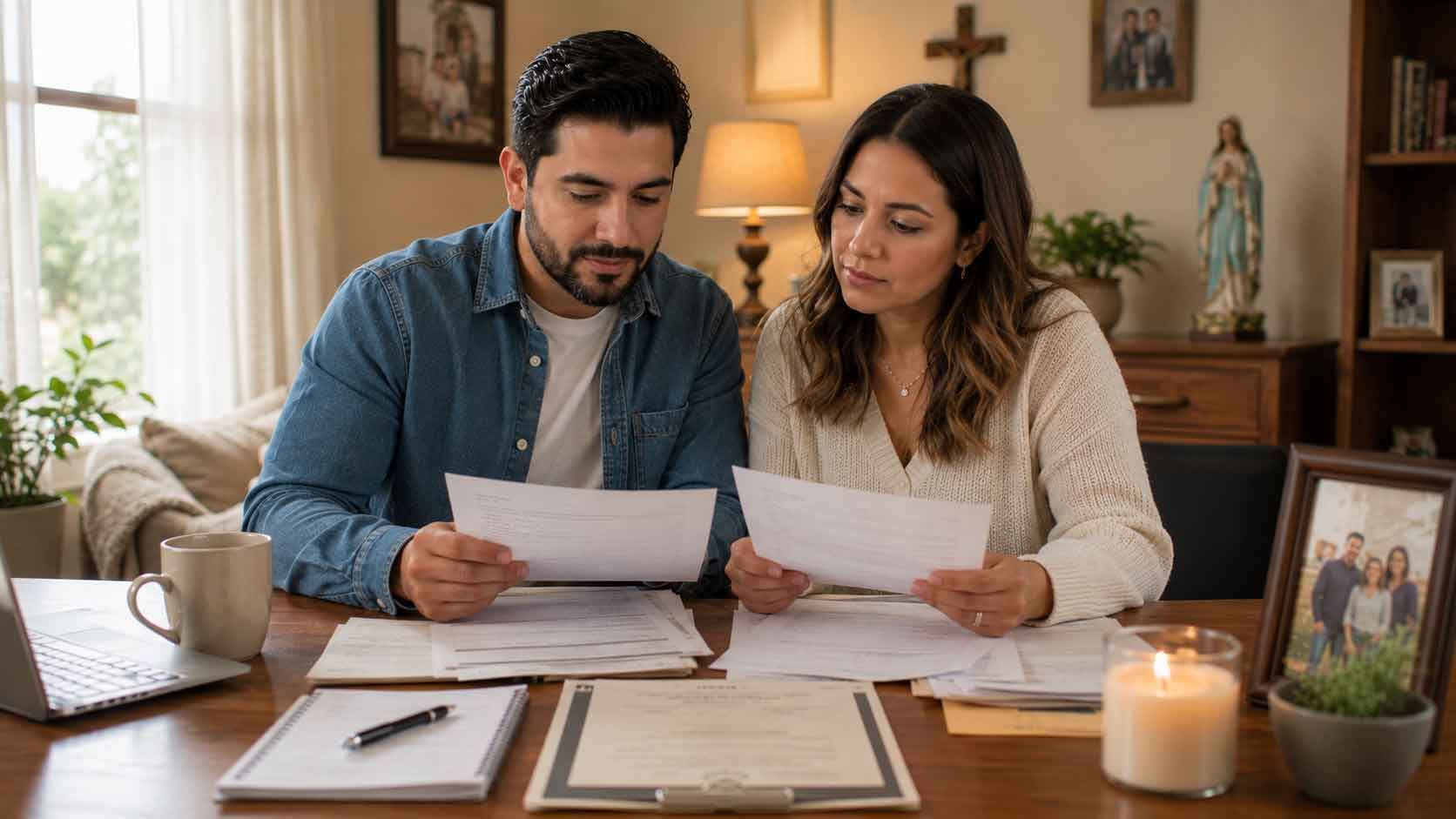
Step 1: Contact Your Parish and Confirm Requirements
Every Catholic parish manages infant Baptism slightly differently, so your first step is to reach out to your local parish office. You should ask about:
- Which days and times Baptisms are scheduled.
- Whether you live inside or outside the parish boundaries (this may affect whether you need a letter of permission).
- How many months in advance you should register.
- What documents the parish requires, including any special forms or certificates.
- Whether your parish offers an online or in‑person baptism preparation class.
Some parishes allow you to begin the process before the baby is born, while others prefer to wait until after the birth certificate is ready. Ask what your parish prefers so you can plan responsibly and still enjoy those first days with your new child.
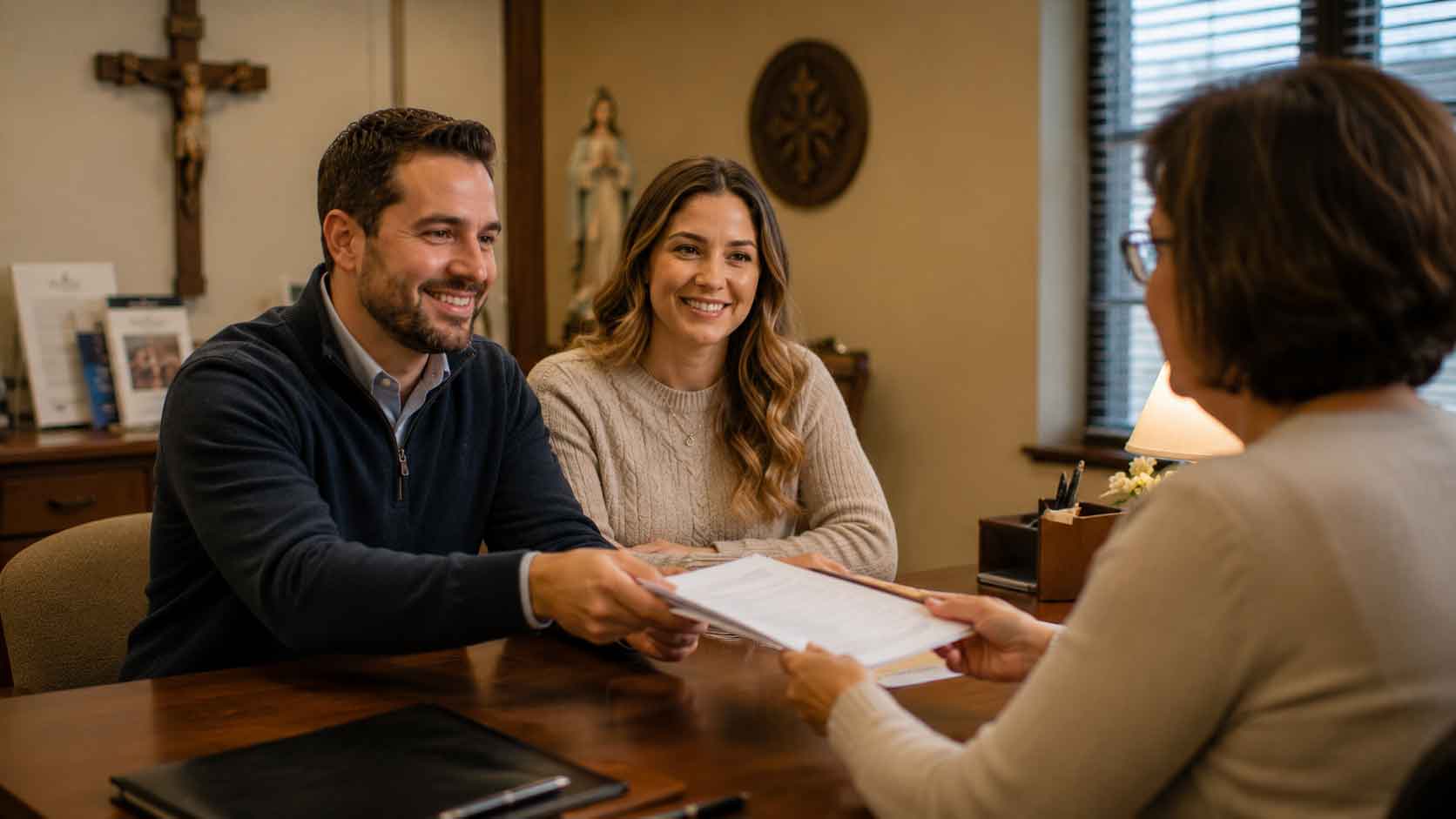
Step 2: Choose and Confirm Godparents
An infant must have at least one godparent or sponsor. Many families choose two godparents, but only one is required. Before you name them on the parish form, you should confirm that each godparent meets the basic Catholic requirements:
- The godparent must be at least 16 years old (or the age set by your diocese).
- The godparent must be a fully initiated Catholic, having received Baptism, Confirmation, and First Holy Communion.
- The godparent must be a practicing Catholic in good standing with the Church.
- The godparent cannot be the baby’s parent.
Some parishes also ask that a married godparent be married in the Catholic Church or have their marriage recognized by the Church. If you would like to include a baptized non‑Catholic Christian family member, they can often serve as a “Christian witness” alongside a Catholic godparent.
Once you decide on your godparents, give them time to speak with their own parish if a letter of eligibility or a sponsor certificate is required. These letters usually need to be signed by the pastor or an authorized parish representative.
Step 3: Gather Required Documents
Most parishes provide a specific baptism registration form, but common documents you will probably need include:
- A completed infant baptism registration form from the parish.
- The child’s original long‑form birth certificate. If the birth certificate is not available, some parishes will accept a hospital record that includes the baby’s name, date of birth, and parents’ names.
- A letter of permission if the parents do not normally attend the parish where Baptism is celebrated. This letter usually comes from the pastor of your home parish.
- Proof of completion of baptism preparation classes for both parents (and sometimes for godparents). Many parishes accept in‑person or online course certificates.
- Godparent eligibility letters or sponsor certificates for each godparent, signed by their parish pastor.
- Proof of sacraments for godparents, such as a Confirmation certificate or a baptismal certificate with sacramental notations.
- Parents’ marriage certificate, if you are married, and especially if you are married in the Catholic Church.
The exact list may vary, so ask your parish for a current checklist and keep one copy for yourself. It also helps to note the deadline for turning in paperwork; many parishes require that everything be submitted at least two weeks before your requested Baptism date.
Step 4: Complete Baptism Preparation Classes
The Church strongly encourages parents to attend baptism preparation classes before the sacrament. These classes help you understand the meaning of Baptism, the promises you will make, and your role in raising your child in the Catholic faith.
In many parishes:
- Both parents are required to attend at least one session.
- Godparents are encouraged or required to attend as well.
- Classes may be offered in person or online, and usually last about one or two sessions.
After you complete the class, the parish or course provider gives you a certificate. You should keep this in your baptism folder and submit it with your other documents. If you already took a class within the past few years, ask if it still counts or if you need to refresh your preparation.

Step 5: Plan Practical Details for the Sacrament
Beyond the paperwork, you will want to think through the practical side of the Baptism itself. This part of your checklist includes:
- Choosing a Baptismal outfit for your child, usually a simple white garment that reflects the symbolism of purity and new life.
- Deciding who will carry the child, hold the baptismal candle, and hold the baptismal shell or towel.
- Planning who will take photos or videos, if you allow photography, and how many guests you want to invite.
- Checking the parish’s policies on music, readings, and special requests for the ceremony.
- Confirming the exact date, time, and location of the Baptism with the parish office and marking it on your calendar.
Some parishes have guidelines on how large the gathering should be, especially if many families are baptizing on the same day. It is also helpful to consider travel time, parking, and how your baby’s usual schedule might fit with the ceremony.
Step 6: Double‑Check Your Checklist Before the Baptism
A few days before the Baptism, review your infant baptism checklist to make sure everything is ready. Ask yourself:
- Have all the forms been filled out and signed by the right people?
- Have godparent letters and sacramental certificates been received and attached?
- Is the birth certificate (or alternative document) available and in good condition?
- Have the baptism preparation certificate and any other required proof of preparation been submitted?
- Does your parish need any final information, such as your mailing address, phone number, or email for the baptismal record?
If you are bringing your own Baptismal garment or candle, check that these items are clean, ready to use, and appropriate for a church setting. Many parishes also ask that you arrive early so the priest or deacon can go over the order of the rite and any special instructions.
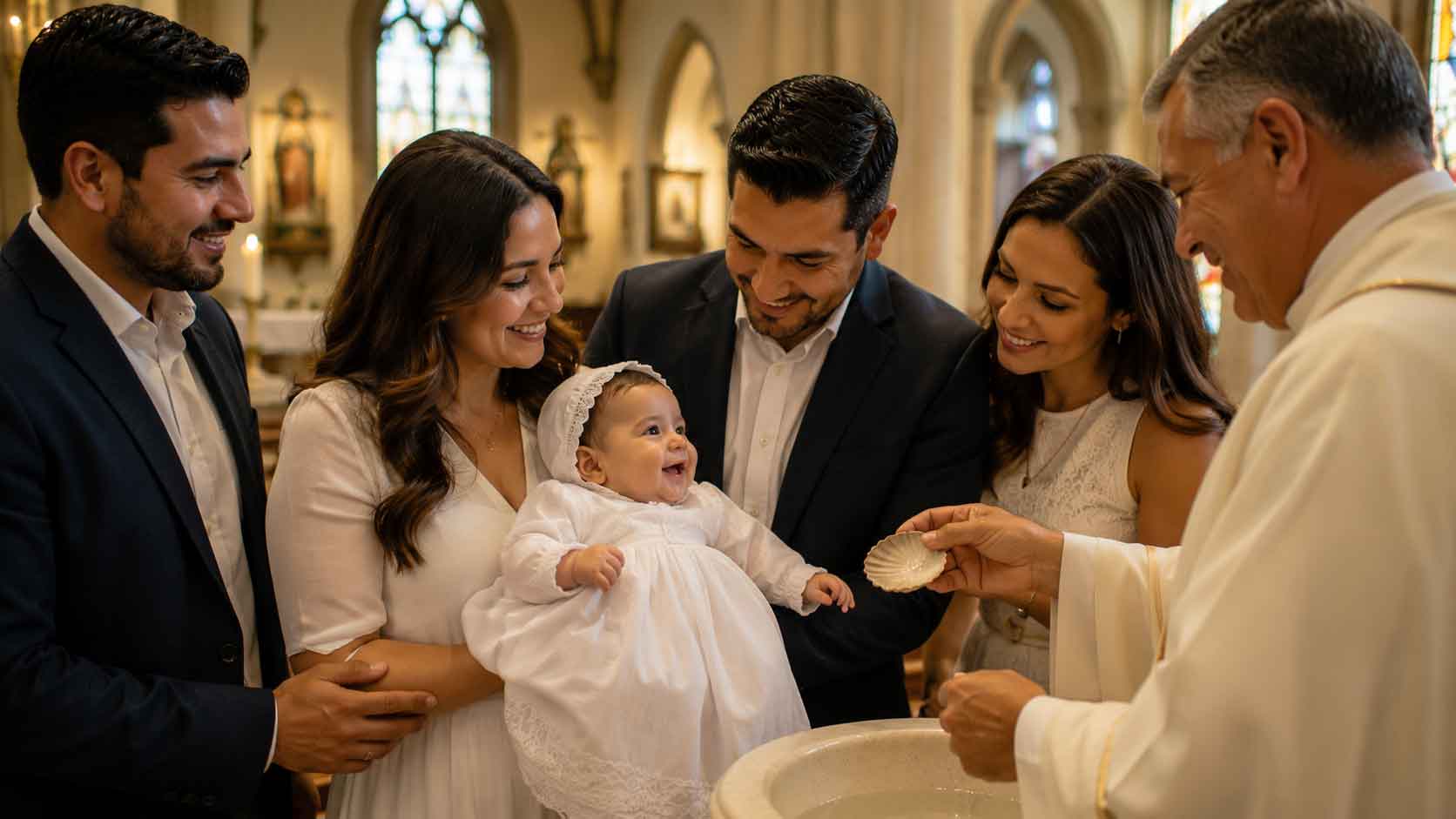
Step 7: What Comes After the Infant Baptism
After the Baptism, the parish places an entry in the baptismal register and may give you a baptismal certificate. This certificate is an important document for future sacraments such as First Communion, Confirmation, and marriage, so it should be kept in a safe place.
The work of faith formation continues long after the ceremony. Many parishes offer:
- Religious education programs for older children.
- Parent‑focused sessions that help you raise your child in the practices of the Church.
- Special celebrations for milestones such as First Communion and Confirmation.
As a parent, you can support your child’s baptismal life by attending Mass regularly, praying with your child, and inviting your godparents to stay involved when possible. The sacrament of Baptism is the beginning of a lifelong journey, and your continued faithfulness helps your child grow in the Church.
Using This Infant Baptism Checklist in Your Parish
If you are creating a parish page or Catholic education resource, this checklist can be adapted to match your own parish norms. You can:
- Replace general document descriptions with your parish’s exact form names.
- Add your parish’s specific deadlines and class requirements.
- Include direct links or contact information for your parish office or parish registrar.
- Format the checklist in a printable PDF so parents can download and mark items off as they complete them.
A clear, easy‑to‑follow infant baptism checklist reduces confusion for families, encourages them to prepare early, and helps your parish staff stay organized during busy seasons. When parents know what to gather and when to submit it, both the administrative process and the spiritual experience of Baptism can be stronger and more peaceful.